A small test that answers a narrow question
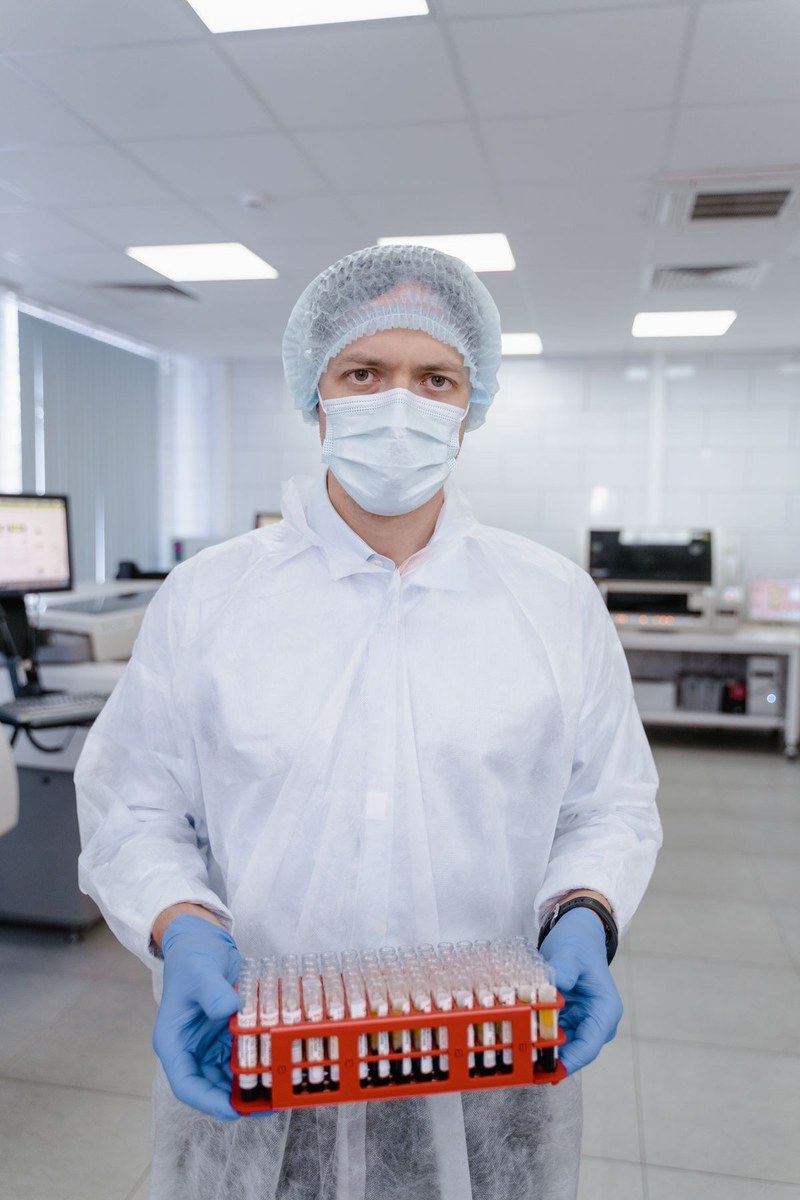
When a couple has been trying for a baby for a year without a result, the man will often hear the words “semen analysis” at the first appointment. It is a slightly awkward test and a very simple one. There are no needles and no scans. A sample goes to a lab, and a technician looks at what is in it under a microscope.
The NHS lists it first among its fertility tests for men, and it adds that problems can sit with either partner or both, which is why couples are usually assessed together. Worth keeping in mind when the report arrives. The test describes one sample on one day. It says nothing about the two of you as a pair.
Collecting the sample properly
Most of the ways a result goes wrong happen before the lab ever sees it. The US National Library of Medicine’s patient guide to the test asks for 2 to 7 days without ejaculation beforehand, clean hands, and no lubricant or saliva near the container, since both can harm sperm. It also asks you to catch all of the sample, and to tell the lab if some was missed.
Timing matters as well. Semen is normally analysed within about an hour, so many clinics prefer a private collection room on site. If you plan to produce it at home, ask what container to use and how to carry it. Clinic pages such as this step-by-step note on collection and lab handling also suggest cutting back on alcohol and smoking and avoiding overheating, for example long hot soaks, in the days before.
What the report actually lists
A typical report is a column of measurements. Volume is how much fluid there is. Concentration is sperm per millilitre, and total count is the figure for the whole sample. Motility is the share of sperm moving well, and morphology is the share with a normal shape. Many labs also note pH and how long the sample takes to turn from gel to liquid.
Next to each number you will usually see a reference range. Those ranges trace back to the WHO’s laboratory manual for human semen, written mainly so that different labs count and grade in the same way. The manual has been revised over the years, so a figure copied from an old forum thread may not match the cut-offs printed on your own report. Treat the lab’s own range as the reference point, and ask the doctor if the wording is unclear.
One result is a snapshot, not a verdict
Sperm numbers move around from week to week. A recent fever, a bout of heavy drinking, smoking or some medicines can all shift a result, so doctors often ask for a second sample before they read much into the first. The National Library of Medicine page also says that a result outside the usual ranges does not mean someone is permanently infertile. It means the doctor may want blood tests or an ultrasound to look for a cause.
A reproductive endocrinologist explains how to read a semen analysis report (about 24 minutes).
Some questions are worth writing down before the consultation. How many days of abstinence did the lab assume? Which reference ranges does it use? Should the test be repeated, and when? And how do these figures sit next to the partner’s results?
Where the female side and the next steps fit
Semen analysis is one half of a basic workup. The partner commonly has hormone blood tests and an ultrasound of the ovaries and uterus, sometimes a check on the fallopian tubes. Those results get read together with the semen report, not one after the other.
Separately, some women who are not trying to conceive yet read up on fertility preservation to understand timing. That is a different conversation, and a Johor clinic has a plain description of what a stimulation and egg collection cycle involves. It has nothing to do with the semen test, but it shows how many separate decisions fall under the word “fertility”.
If you are in Johor Bahru, a hospital-based unit such as Monash IVF KPJ Johor lists semen testing alongside its other screening services. For now, a practical step is small: note the dates you have been trying, bring any earlier results, and book a visit with a GP or a fertility specialist while you still have questions rather than a crisis.